
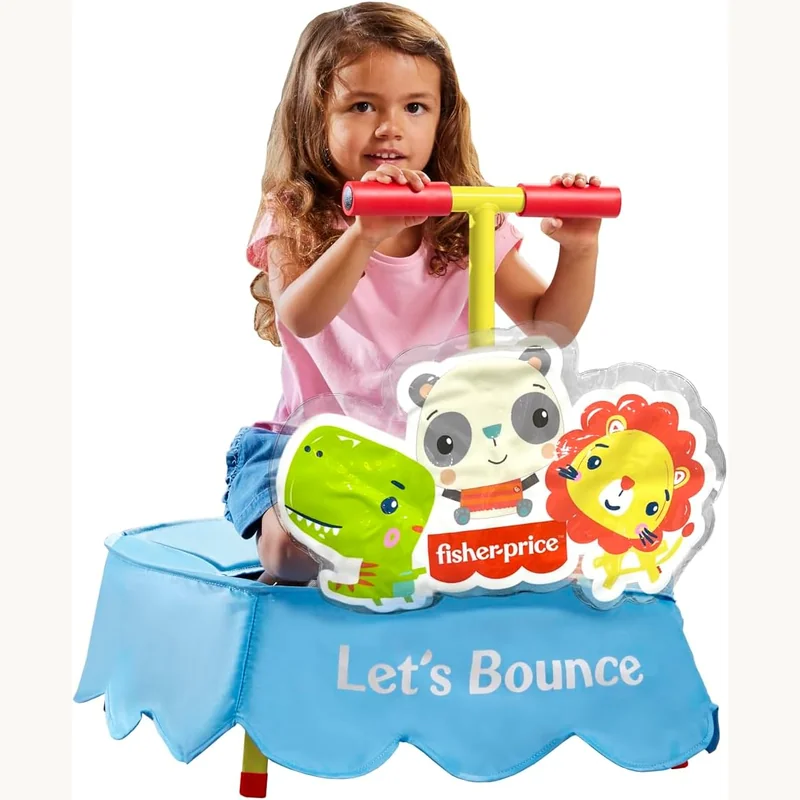
My First Trampoline
Compact 1.9 ft indoor starter with a padded surround and supportive handlebar for first hops from around 12 months.
Check PriceThese compact models are designed for indoor use by children as young as 12 months. They typically feature a handlebar for stability and are sized to fit neatly into small play areas. On this page we compare the two main toddler options — the My First Trampoline at 1.9 ft, and the larger WonderJump 36-Inch Mini for ages three and up — so you can choose between them with confidence.
View offers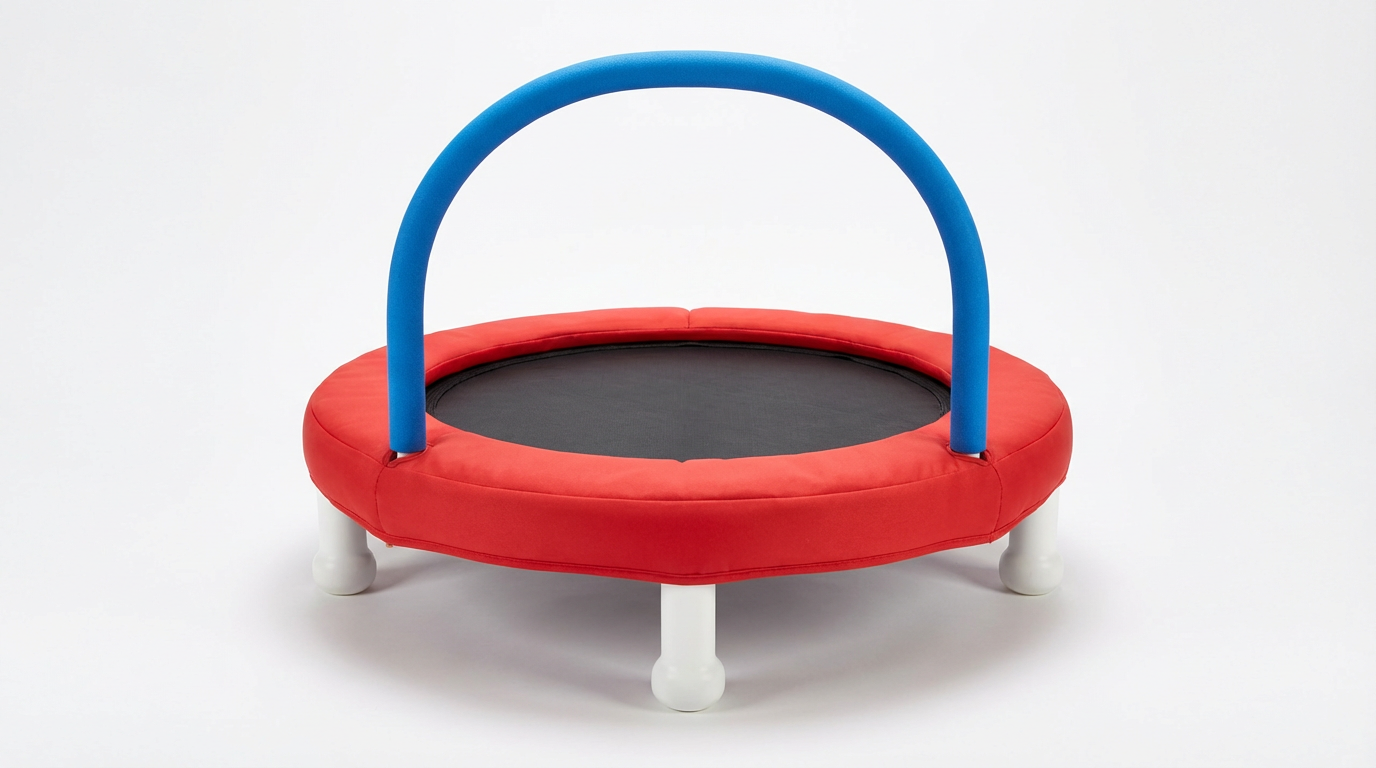
Low decks and handlebars dominate this age band — these four options cover the classic My First size through to sturdier 3 ft preschool minis.
Compact 1.9 ft indoor starter with a padded surround and supportive handlebar for first hops from around 12 months.
Check Price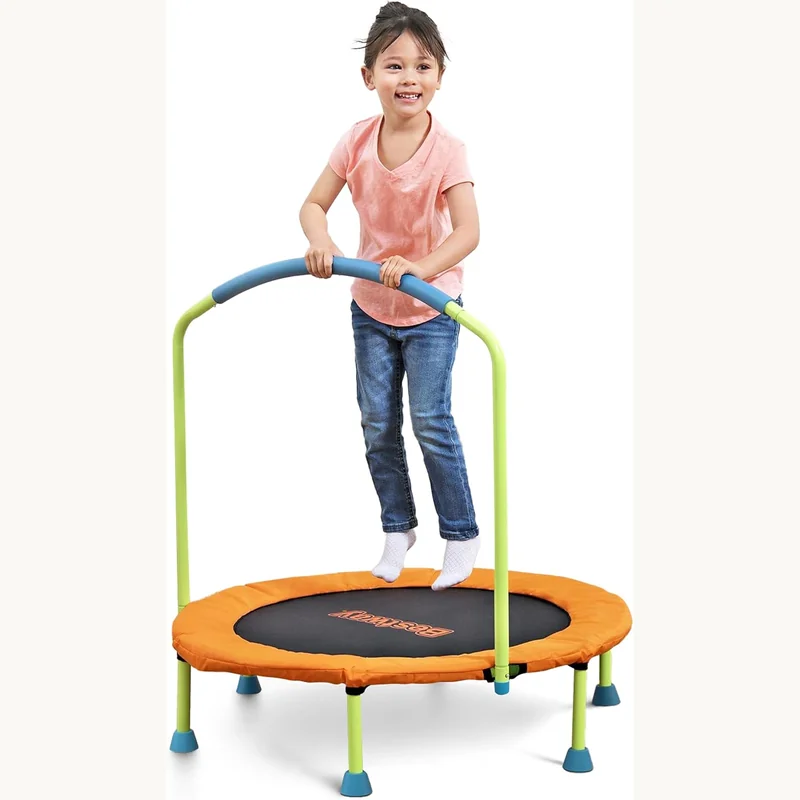
Foldable 3 ft mini with a foam-grip handle and non-slip feet, suited to preschoolers who have outgrown the smallest deck.
Check Price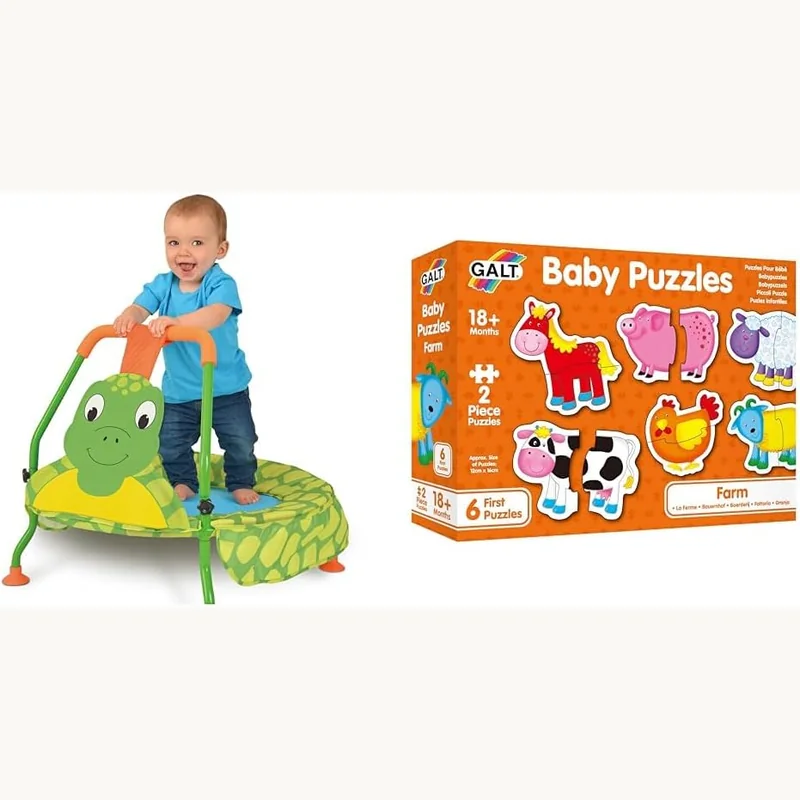
Low indoor mini with a padded surround and non-slip feet for supervised toddler bouncing in small playrooms.
Check Price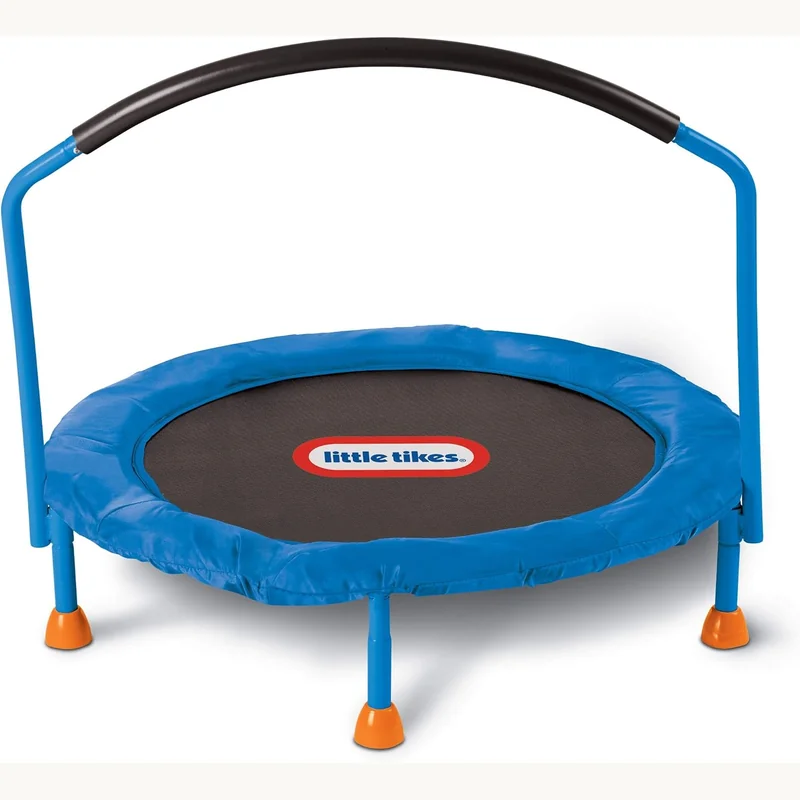
Sturdy three-foot indoor trampoline with a grab handle, popular with preschoolers practising balance indoors.
Check PriceThe My First Trampoline is the entry point to the range. It is a popular 1.9 ft (approx. 58 cm) starter trampoline for toddlers aged 12 to 36 months, and it tends to be the model most families start with. The deck sits low to the floor, a supportive handlebar rises above the mat, and the frame is wrapped in a thick padded cover. Everything is geared towards building up a child's confidence during their very first bounces.
UK parent reviewers highlight the My First Trampoline's stability and ease of assembly, with most parents reporting that the unit is ready for use within ten to fifteen minutes. A common note is that the handlebar can feel stiff for smaller children, particularly when they first try to lean on it; most reviewers say their little ones adjusted after a handful of sessions. For a calmer, more controlled bouncing experience, the My First model is generally regarded as the safest starting point across the Fisher-Price toddler line.
This model is best for first-time jumpers and for homes where indoor space is at a premium. It shines as a daily play item for children who are still steady-on-their-feet learners, and as a consistent source of energy-burning fun on rainy days. For growing preschoolers who are already confident bouncing, the larger WonderJump below is usually a more comfortable fit.
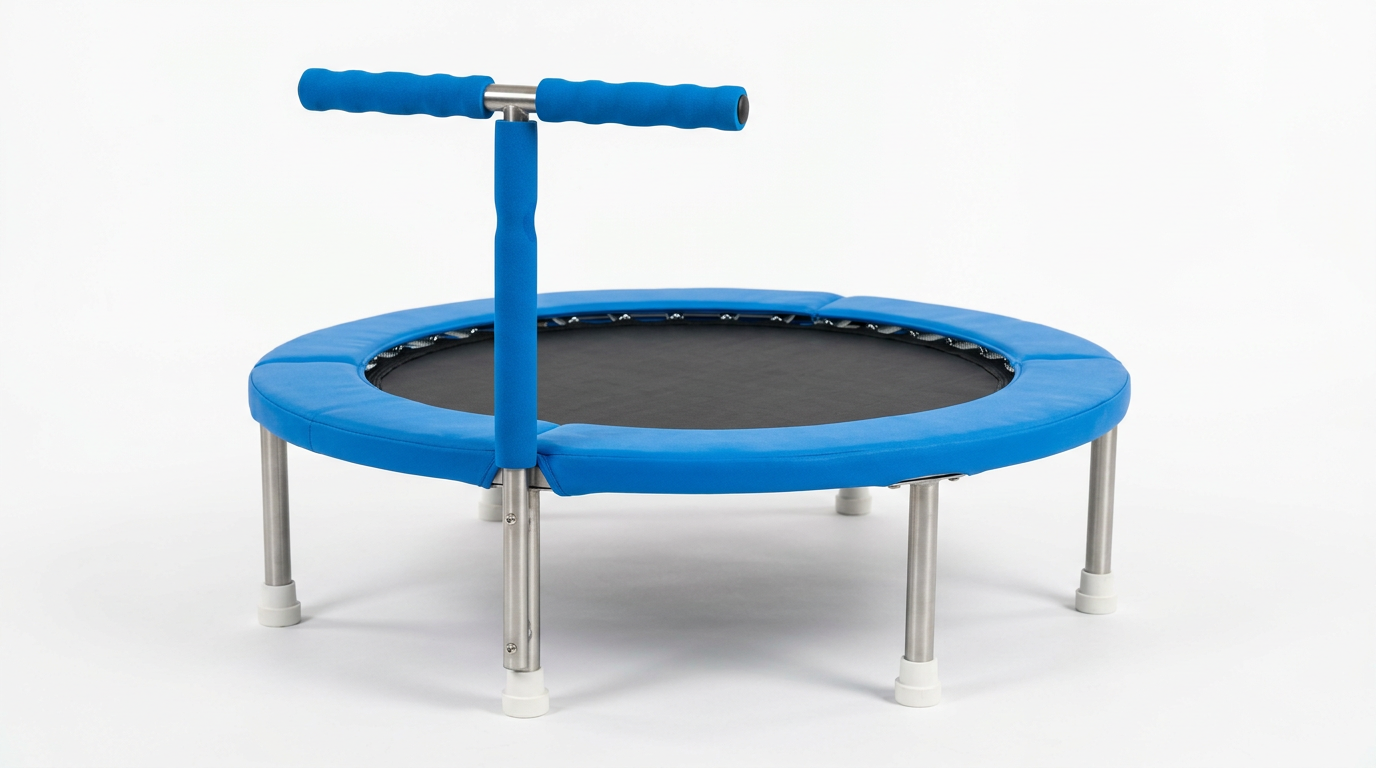
A slightly larger 3 ft (36-inch) indoor trampoline aimed at preschoolers aged three and up. The WonderJump sits between a true toddler trampoline and a junior model, which makes it a popular second trampoline as children grow out of the 1.9 ft My First design.
According to reviewers on Snapklik, the WonderJump is praised for being easy to set up and very sturdy for energetic bouncers. Parents note that the removable handle is one of the most useful features, allowing children to graduate from holding on to free-bouncing without buying a whole new trampoline. The foam grip makes long sessions comfortable for small hands, and the corrosion-resistant frame is welcomed in kitchens or conservatories where humidity can be higher.
The WonderJump suits older toddlers and preschoolers who are starting to feel restricted on a 1.9 ft deck. It also makes a good crossover model for families who want a little more bounce height without moving to a full-sized garden trampoline. Keep in mind that the 3 ft footprint needs around 1 metre of clear space on every side for safe play.
| Feature | My First Trampoline | WonderJump 36-Inch |
|---|---|---|
| Age range | 12–36 months | 3 years and up |
| Diameter | 1.9 ft (≈58 cm) | 3 ft (≈91 cm) |
| Handlebar | Fixed, padded | Removable, foam grip |
| Weight limit | ~20 kg (44 lb) | ~25 kg (55 lb) |
| Use | Indoor only | Indoor only |
Figures are rounded for comparison. Always check the printed limits on your individual model's label before use.
Both toddler trampolines are designed for indoor use and are at their best when a parent or carer is supervising directly. The following habits come up repeatedly in UK user reviews and in the printed instructions supplied with both models.
Small trampolines are not designed for multiple children bouncing together. Using a one-at-a-time rule keeps the weight within the specified limit and avoids collisions.
Shoes can damage the mat and smooth socks can slip. Encourage bare feet or non-slip socks for the best grip.
Keep at least 1 metre of clear air above the bouncing area and clear the floor around the trampoline of toys and furniture.
Young children have limited balance stamina. Short five to ten minute bursts of play are safer and usually more fun than long sessions.
When a toddler outgrows the indoor minis, the junior and 4.5 ft outdoor models take play into the garden with bigger bounces and a full safety-net enclosure.