
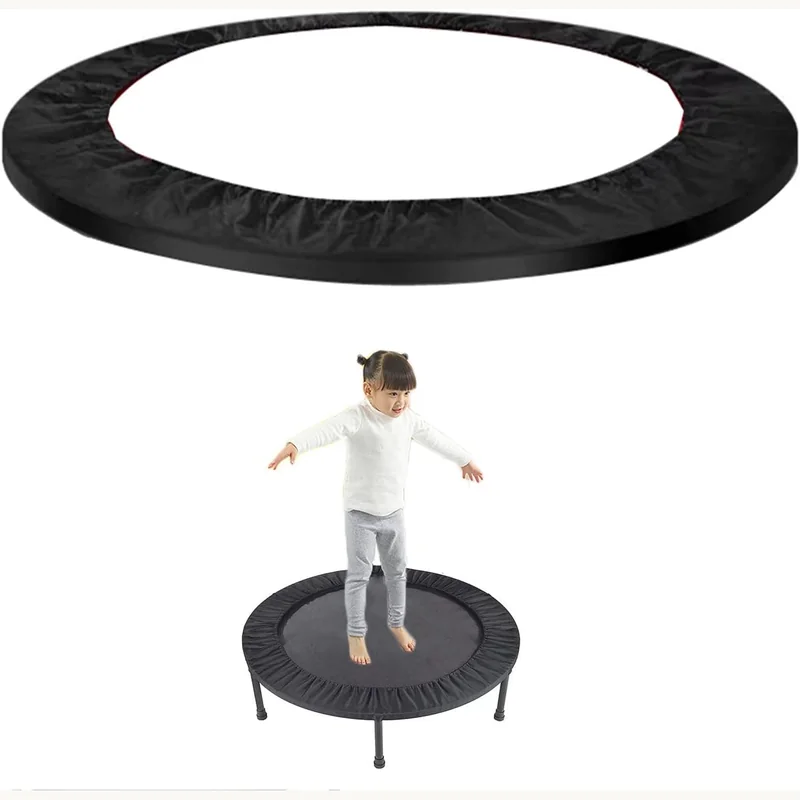
40 Inch Spring Cover Pad
Replacement spring cover pad for mini trampolines when the original surround thins or tears with daily use.
Check PriceWith regular use, a children's trampoline will eventually need one or two parts replaced. This guide walks through the main components of the Fisher-Price range — springs, mats, spring pads, safety nets, handlebars, legs and feet — and explains which parts wear first, how to identify the exact spec you need, and what to do when a part is discontinued.
View offers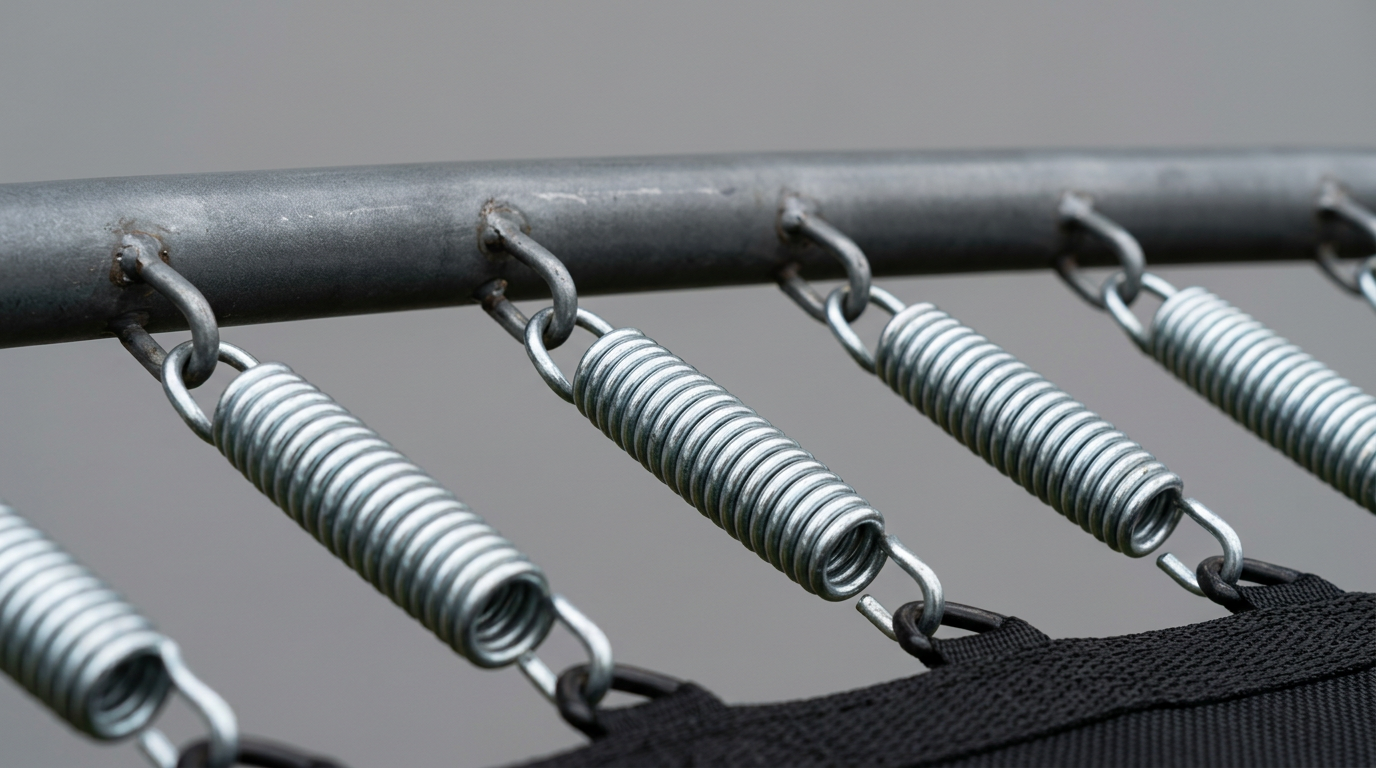
Pads, springs, nets and cords wear first on outdoor models — keep matching sizes to your frame before you order.
Replacement spring cover pad for mini trampolines when the original surround thins or tears with daily use.
Check Price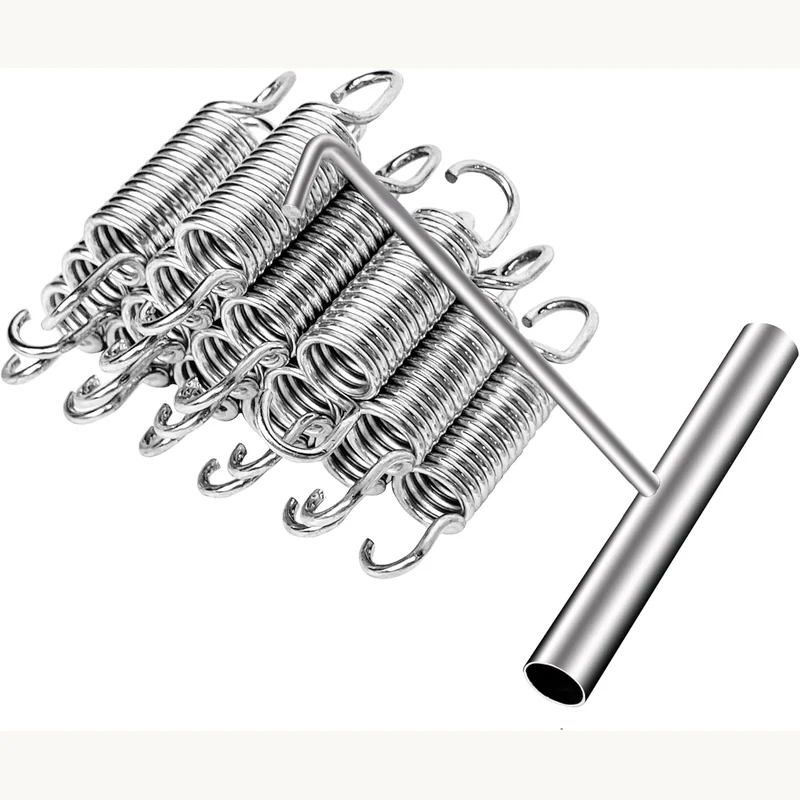
Heavy-duty replacement springs for swapping individual stretched or corroded springs on smaller frames.
Check Price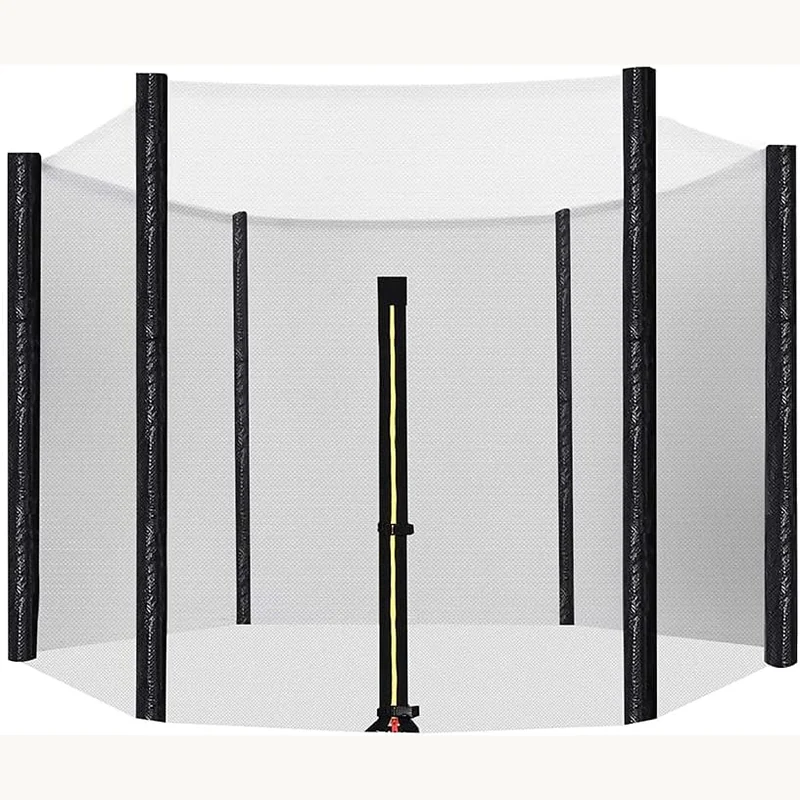
Round enclosure netting for small outdoor trampolines when the original mesh frays at the pole joins.
Check Price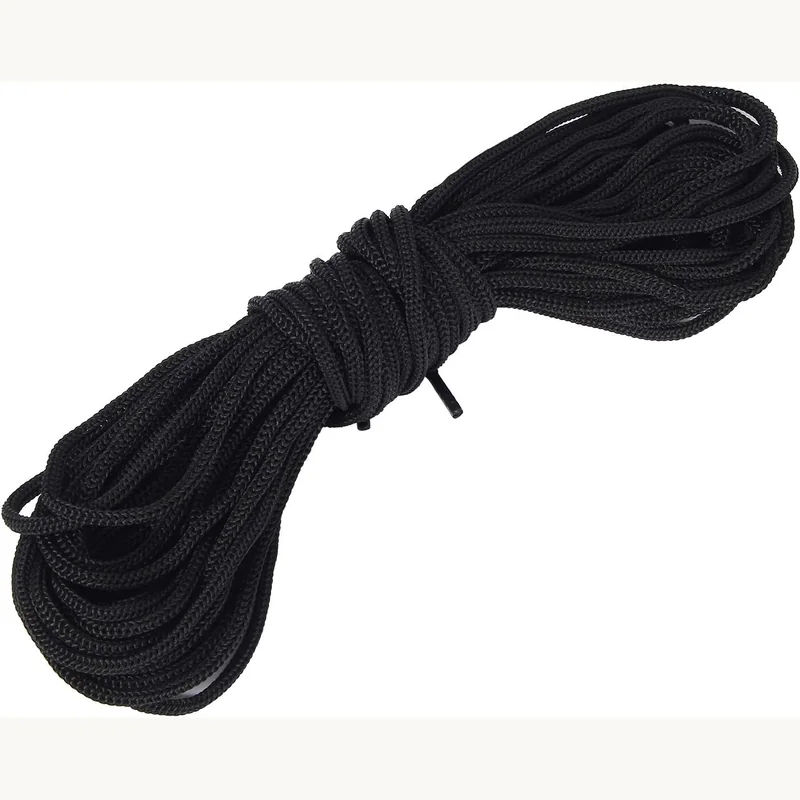
Spare net connection cords for securing enclosure mesh to the frame after seasonal outdoor wear.
Check PriceEven on the most heavily used trampoline in the Fisher-Price range, the frame and legs tend to outlast everything else. The consumable parts — the ones designed to be replaced every few years on an outdoor model, and rarely on an indoor model — are the spring pad, the mat and the safety net.
The padded ring that covers the springs. On outdoor models it is the first part to show UV damage — typically fading and becoming brittle after two to three British summers. Replace as soon as the foam inside is exposed.
The black bouncing fabric. Indoor models rarely need mat replacement. Outdoor mats can develop small tears around the V-ring attachment points after years of use.
Only the 4.5 ft outdoor model has a net. The mesh can thin or fray where it meets the foam-covered poles. Fully replace, rather than patching, once the net starts to fray.
Zinc-coated springs last for several years. Swap any individual spring that has rusted, stretched, or lost more than 5 mm of resting length.
The foam grip on toddler and junior handlebars can split or compress. Replacement foam sleeves are inexpensive and simple to fit.
The rubber feet on the indoor bouncers can harden or fall off. Most are a standard size and can be replaced with generic non-slip caps.
Because Fisher-Price trampolines are manufactured under licence by Sportspower, some older models are no longer listed by direct retailers. In those cases you have three realistic options, in order of preference.
Springs, spring pads and mats in the current catalogue are often dimensionally identical to older Fisher-Price-branded models. Confirm by measurement before you buy.
For the outdoor 4.5 ft model, any UK-sold 4.5 ft (137 cm) mat or spring pad with the correct spring count and spring length will usually fit.
If the frame itself has corroded or welds have cracked, the trampoline has reached the end of its life. No replacement part restores a compromised frame.
Realistic life expectancy varies sharply between indoor and outdoor models. Indoor toddler trampolines tend to age very slowly: My First Trampoline and the WonderJump often outlast their original owner simply because the children grow out of them before anything wears out. On these, the most common replacement item is actually the foam handle grip, which can split after a year or two of daily use, and the non-slip feet, which can harden on hardwood floors.
The 4.5 ft outdoor model is where routine replacements become realistic. Expect the spring pad to need replacing after two to three British summers, simply because UV exposure breaks down the PVC cover faster than any other factor. The safety net usually lasts three to five years before the mesh starts to fray, slightly longer if the net is removed and stored in a shed each autumn. The mat itself can easily last five years or more if you treat it gently; the most common failure mode is a small tear around a V-ring rather than general fabric wear.
Springs are the most misunderstood part. They do not "wear out" in a steady, predictable way. Instead, one or two springs occasionally start to corrode or stretch because of a manufacturing variation or a particularly hard landing. A simple seasonal inspection — pressing each spring to feel that it returns to the same resting length — is usually enough to catch the one or two that need swapping.
Walk through the step-by-step assembly guide to make sure every spring, bolt and net clip is fitted in the right order.
Assembly instructions